Introduction
Most people think oral health is only about having clean teeth, fresh breath, and a bright smile. While these are important, oral health goes far beyond appearance. Your mouth is the entry point to your body’s digestive and respiratory systems, and it plays a major role in your overall health.
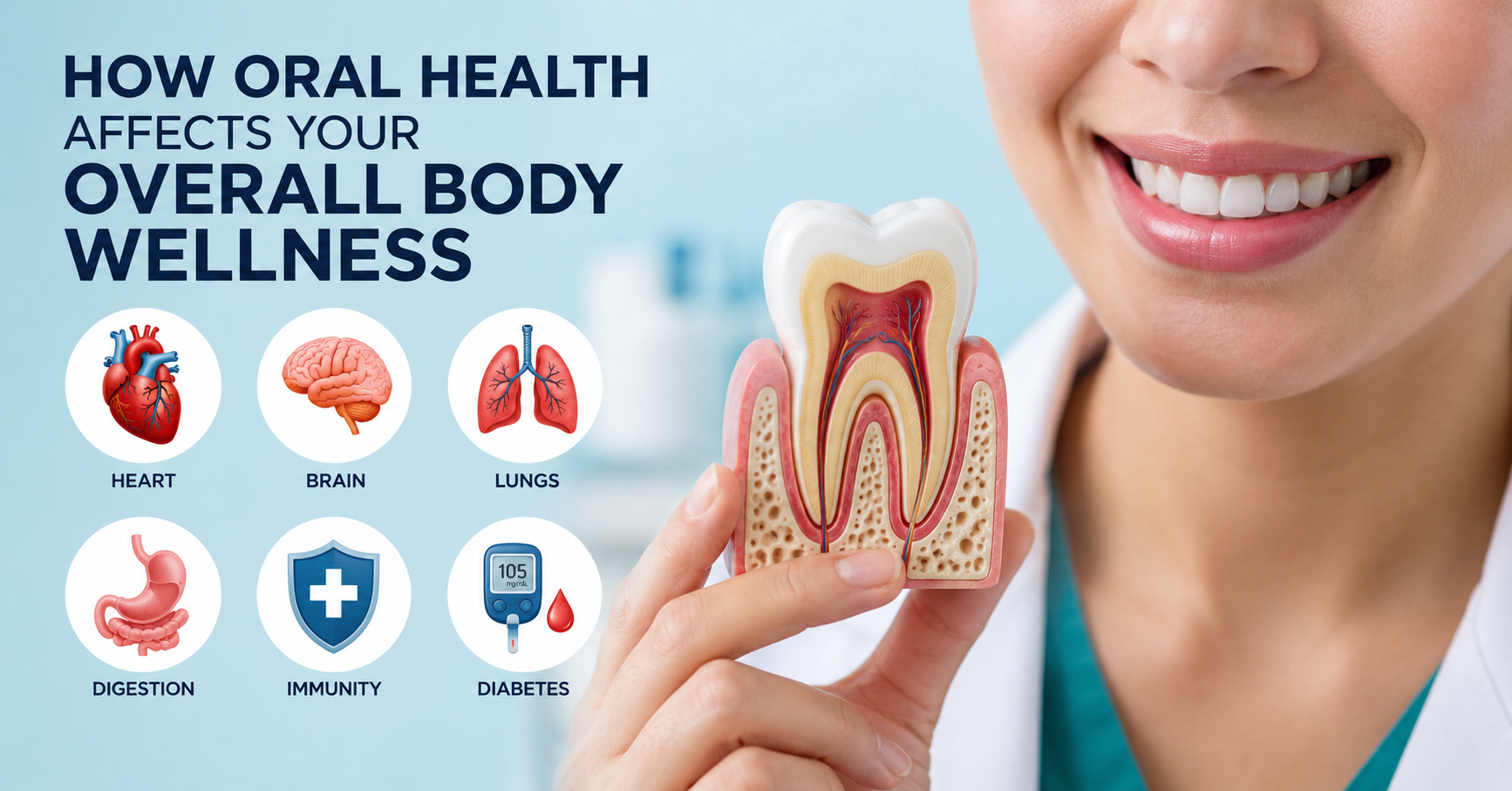
In fact, research shows that poor oral hygiene can contribute to serious health conditions such as heart disease, diabetes, respiratory infections, and even complications during pregnancy. Your mouth is not separate from your body—it is deeply connected to it.
In this blog, we will explore how oral health affects different systems of the body and why maintaining good dental hygiene is essential for long-term wellness.
1. The Mouth as a Gateway to the Body
Your mouth is full of bacteria—both good and bad. When oral hygiene is maintained properly through brushing, flossing, and dental checkups, the balance of bacteria stays healthy.
However, when oral care is neglected, harmful bacteria multiply. These bacteria can enter the bloodstream through:
Bleeding gums
Tooth decay
Gum infections (periodontitis)
Once inside the bloodstream, they can travel to different organs and cause inflammation and disease.
This is why dentists often say:
“The mouth is the mirror of the body.”
2. Gum Disease and Heart Health
One of the strongest connections between oral health and overall wellness is heart disease.
How it happens:
When gum disease develops, bacteria from infected gums can enter the bloodstream. This can lead to inflammation in blood vessels, increasing the risk of:
- Heart attacks
- Stroke
- Artery blockages (atherosclerosis)
Studies suggest that people with severe gum disease are more likely to develop cardiovascular problems compared to those with healthy gums.
Warning signs:
- Bleeding gums
- Swollen or red gums
- Persistent bad breath
Taking care of your gums is not just about your smile—it can protect your heart.
3. Oral Health and Diabetes Connection
Diabetes and oral health have a two-way relationship.
Diabetes increases the risk of oral problems:
People with diabetes are more likely to develop gum infections because high blood sugar levels weaken the immune system.
Oral infections worsen diabetes:
Gum disease can make it harder to control blood sugar levels, leading to:
- Increased insulin resistance
- Poor healing of wounds
- Higher infection risk
This creates a cycle where each condition worsens the other.
Maintaining strong oral hygiene helps break this cycle and improves overall diabetes management.
4. Impact on the Brain and Cognitive Health
Recent studies show a possible link between gum disease and brain health, including conditions like Alzheimer’s disease.
How oral bacteria may affect the brain:
- Bacteria from infected gums can travel through blood or nerves
- They may trigger inflammation in the brain
- This inflammation can contribute to cognitive decline over time
While research is ongoing, evidence suggests that long-term oral infections may increase the risk of memory-related disorders.
Keeping your mouth healthy may also help protect your brain in the long run.
5. Oral Health and Respiratory System
Your respiratory system is also affected by oral bacteria.
When harmful bacteria from the mouth are inhaled into the lungs, they can cause infections such as:
- Pneumonia
- Bronchitis
- Worsening of chronic lung diseases
This is especially dangerous for older adults and people with weak immune systems.
Poor oral hygiene increases the number of harmful bacteria that can enter the lungs, making respiratory infections more likely.
6. Digestive Health Starts in the Mouth
Digestion begins the moment you take your first bite of food.
Role of teeth:
Healthy teeth help properly chew food, making it easier for the stomach to digest.
Role of saliva:
Saliva contains enzymes that begin breaking down food. If oral health is poor, chewing becomes difficult, affecting digestion efficiency.
Problems caused by poor oral health include:
- Indigestion
- Poor nutrient absorption
- Stomach discomfort
Missing or damaged teeth can also lead to poor dietary choices, affecting overall nutrition.
7. Oral Health and Pregnancy Complications
Pregnant women need to be especially careful about oral health.
Gum disease has been linked to:
- Premature birth
- Low birth weight babies
- Pregnancy complications due to inflammation
Hormonal changes during pregnancy can make gums more sensitive and prone to infection, so dental care becomes even more important during this time.
Regular dental checkups and proper hygiene are essential for both mother and baby’s health.
8. Immune System and Oral Bacteria
A healthy immune system protects your body from infections. However, chronic oral infections can weaken immunity.
When the immune system is constantly fighting bacteria from the mouth, it becomes overworked. This can lead to:
- Frequent illness
- Slower healing
- Increased inflammation in the body
Good oral hygiene reduces the burden on your immune system and helps it function effectively.
9. Mental Health and Self-Confidence
Oral health also affects psychological well-being.
Dental issues such as bad breath, missing teeth, or discoloration can lead to:
- Low self-esteem
- Social anxiety
- Reduced confidence in speaking or smiling
People with poor oral health may avoid social interactions, which can negatively affect mental health over time.
A healthy smile contributes to confidence and emotional well-being.
10. Common Oral Problems That Affect Overall Health
Here are some oral conditions that can impact your body:
1. Gingivitis
Early gum disease causing redness and swelling.
2. Periodontitis
Advanced gum infection affecting bones and tissues.
3. Tooth Decay
Caused by bacteria breaking down enamel.
4. Oral Infections
Can spread bacteria to other parts of the body.
Ignoring these conditions can lead to serious systemic health issues.
11. How to Improve Oral and Overall Health
Maintaining oral health is simple but requires consistency.
Daily habits:
- Brush twice a day
- Floss daily
- Use fluoride toothpaste
- Rinse with mouthwash
Lifestyle habits:
- Limit sugary foods and drinks
- Avoid smoking and alcohol
- Drink plenty of water
Professional care:
- Visit a dentist every 6 months
- Get regular cleanings
- Treat cavities early
Small habits can prevent major health problems in the future.
Conclusion
Oral health is not isolated from the rest of your body—it is deeply interconnected with your overall wellness. From your heart and brain to your digestive and immune systems, the condition of your mouth plays a powerful role in your health.
Neglecting oral hygiene can lead to serious diseases, while maintaining good dental care can improve your quality of life significantly.
A healthy mouth is not just about a beautiful smile—it is the foundation of a healthy body.
