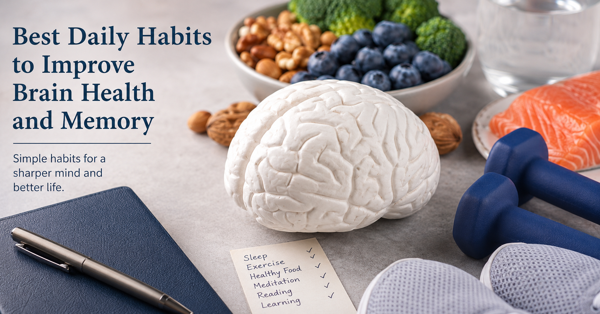
Brain health is one of the most important aspects of overall well-being, yet it is often ignored until problems like forgetfulness, lack of focus, or mental fatigue begin to appear. Your brain is responsible for every thought, decision, emotion, and action you take daily.
The good news is that you don’t need expensive treatments or complicated routines to keep your brain sharp. Simple daily habits, when practiced consistently, can significantly improve memory, focus, and long-term cognitive health.
In this article, we will explore practical, science-backed daily habits that can help boost brain function and keep your mind active, sharp, and resilient for years to come.
Start Your Day with Mental Activation
The way you begin your morning has a strong impact on your brain performance throughout the day. Instead of immediately scrolling through your phone, give your brain a natural wake-up routine.
A few minutes of mental activation can include reading, solving a small puzzle, journaling, or even planning your day. These activities stimulate neural pathways and improve alertness. When your brain is gently activated in the morning, it becomes more efficient at processing information later in the day.
Exposure to natural light early in the morning also helps regulate your circadian rhythm. This improves sleep quality at night, which is directly linked to memory consolidation and cognitive performance.
Prioritize Quality Sleep for Memory Formation
Sleep is not just rest—it is a critical process where your brain organizes, stores, and strengthens memories. Lack of sleep can lead to poor concentration, slower thinking, and reduced problem-solving ability.
During deep sleep, the brain clears out toxins and strengthens neural connections. This process is essential for learning and memory retention. Adults should aim for 7–9 hours of quality sleep every night.
To improve sleep quality:
- Avoid screens at least 1 hour before bed
- Maintain a fixed sleep schedule
- Keep your sleeping environment dark and quiet
- Avoid caffeine in the evening
When sleep improves, memory, focus, and emotional stability naturally improve as well.
Eat Brain-Boosting Foods Daily
Your brain consumes a significant amount of energy, and the food you eat directly affects its performance. A nutrient-rich diet supports better memory, focus, and mental clarity.
Foods that support brain health include:
- Fatty fish like salmon, rich in omega-3 fatty acids
- Nuts and seeds, especially walnuts and flaxseeds
- Blueberries, which are high in antioxidants
- Leafy greens like spinach and kale
- Whole grains for steady energy supply
These foods help reduce inflammation and improve communication between brain cells. Over time, a balanced diet can slow cognitive decline and improve overall mental sharpness.
Stay Hydrated for Better Cognitive Function
Even mild dehydration can negatively affect concentration and memory. The brain is made up of nearly 75% water, so hydration is essential for its smooth functioning.
When you are dehydrated, you may experience headaches, confusion, or difficulty focusing. Drinking enough water throughout the day ensures that your brain receives proper oxygen and nutrients.
A simple habit is to start your morning with a glass of water and keep a bottle nearby throughout the day. Herbal teas and water-rich fruits like watermelon can also contribute to hydration.
Exercise Regularly to Strengthen the Brain
Physical activity is not just for the body—it is equally important for the brain. Exercise increases blood flow to the brain, delivering oxygen and nutrients that enhance cognitive function.
Regular movement also stimulates the release of chemicals like endorphins and dopamine, which improve mood and reduce stress. Stress is one of the major causes of memory problems, so managing it through exercise is highly beneficial.
You don’t need intense workouts. Even 30 minutes of walking, cycling, or light exercise daily can improve brain performance significantly.
Practice Mindfulness and Meditation
In today’s fast-paced world, the brain is constantly overloaded with information. Mindfulness and meditation help calm the mind and improve focus.
Meditation trains the brain to stay present, which reduces distractions and improves attention span. Studies show that regular meditation can even increase the size of brain regions responsible for learning and memory.
You can start with just 5–10 minutes a day. Sit quietly, focus on your breathing, and gently bring your attention back whenever your mind wanders. Over time, this improves mental clarity and emotional balance.
Challenge Your Brain with Learning Activities
Just like muscles, the brain becomes stronger when it is challenged. Learning new skills or engaging in mentally stimulating activities helps create new neural connections.
You can keep your brain active by:
- Learning a new language
- Playing strategy games like chess
- Solving puzzles or Sudoku
- Reading books regularly
- Trying new hobbies or skills
These activities improve neuroplasticity, which is the brain’s ability to adapt and grow. A flexible brain is better at memory retention and problem-solving.
Reduce Stress to Protect Memory
Chronic stress has a negative impact on brain health. It increases the production of cortisol, a hormone that can damage memory-related areas of the brain when elevated for long periods.
Managing stress is essential for maintaining cognitive health. Simple techniques like deep breathing, listening to music, or spending time in nature can significantly reduce stress levels.
It is also important to take breaks during work and avoid overloading your mind with constant tasks. A relaxed brain performs much better than an overworked one.
Build Strong Social Connections
Human interaction plays a powerful role in brain health. Engaging in conversations, maintaining relationships, and participating in social activities stimulate brain regions associated with memory and emotion.
Social interaction helps reduce the risk of depression and cognitive decline. People who maintain strong social connections tend to have better mental sharpness as they age.
Even simple activities like talking to a friend, joining a group activity, or spending time with family can positively impact brain function.
Limit Digital Overload
Excessive screen time can reduce attention span and affect memory retention. Constant notifications and multitasking make it harder for the brain to focus deeply on one task.
To protect your brain, try setting boundaries for digital usage:
- Avoid unnecessary scrolling
- Take screen breaks every hour
- Use “do not disturb” mode during focused work
- Spend time offline daily
Reducing digital overload allows your brain to rest and process information more effectively.
Stay Consistent with Healthy Habits
Improving brain health is not about one-time changes—it is about consistency. Small daily habits, when repeated over time, create long-lasting improvements in memory and cognitive function.
You don’t need to follow every habit perfectly at once. Start with a few simple changes like better sleep, hydration, and short daily exercise. Gradually add more habits as they become part of your routine.
The key is consistency, not perfection.
Conclusion
Your brain is your most powerful asset, and taking care of it should be a daily priority. By adopting simple habits like proper sleep, healthy eating, regular exercise, mental challenges, and stress management, you can significantly improve your memory and overall brain performance.
These habits may seem small, but their long-term impact is powerful. A healthy brain leads to better focus, sharper thinking, and improved quality of life.
Start today with one habit, stay consistent, and gradually build a routine that supports lifelong brain health.
