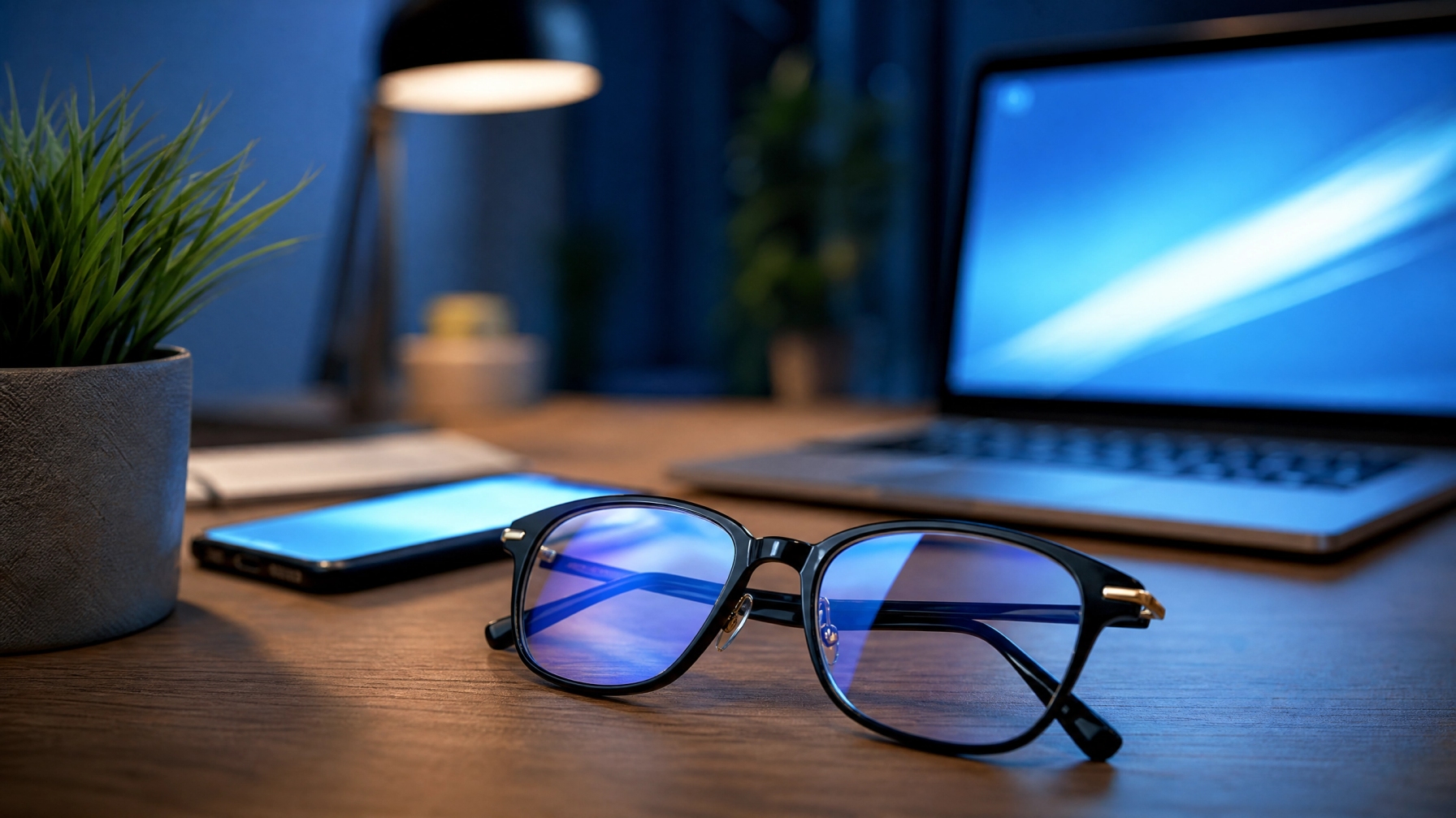
In an increasingly digital world, our eyes are under unprecedented strain. The pervasive use of smartphones, computers, and other digital devices has led to a significant rise in vision problems, particularly myopia (nearsightedness) and digital eye strain. This article explores the reasons behind this alarming trend and provides actionable strategies to protect your vision in the digital age.
The Alarming Rise of Myopia in the Digital Age
Myopia, or nearsightedness, is rapidly increasing globally, affecting a growing percentage of the population, especially children and adolescents. Projections indicate that nearly 40% of the global population will be myopic by the end of 2026, with this figure expected to reach 50% (approximately 5 billion people) by 2050.
High myopia, a more severe form, is also on the rise, potentially affecting 1 billion people by mid-century.
This surge is largely attributed to lifestyle changes driven by digital technology.
How Does Digital Device Use Worsen Myopia?
Digital device use contributes to myopia progression primarily through axial elongation, where the eyeball grows too long, causing light to focus in front of the retina instead of directly on it.
This elongation is triggered by a process called scleral remodeling, which is initiated by hyperopic defocus. Hyperopic defocus occurs when prolonged near work, such as staring at screens, creates a specific type of blur on the peripheral retina, signaling the eye to grow longer to compensate.
Understanding Digital Eye Strain (DES) and Computer Vision Syndrome (CVS)
Digital Eye Strain (DES), also known as Computer Vision Syndrome (CVS), is a group of eye and vision-related problems that result from prolonged computer, tablet, e-reader, and cell phone use. Symptoms commonly include dry eyes, blurred vision, headaches, and even neck and shoulder pain.
What are the Key Contributors to Digital Eye Strain?
Several factors contribute to DES:
Reduced Blink Rate: When focusing on digital screens, our blink rate significantly decreases from a normal 15-20 blinks per minute to just 5-7 blinks per minute.This leads to dry, irritated eyes.
Blue Light Exposure: Digital screens emit high-energy visible (HEV) blue light. While research on its long-term effects is ongoing, excessive blue light exposure is linked to eye strain and can disrupt sleep patterns by suppressing melatonin production.
Screen Glare and Contrast: Reflections on screens and poor contrast between text and background can make eyes work harder.
Improper Viewing Distance and Posture: Holding devices too close or maintaining poor posture can strain eye muscles and lead to musculoskeletal discomfort.
OLED vs. LCD Screens: Which is Better for Your Eyes?
While both OLED and LCD screens have their pros and cons, some studies suggest that OLED screens can be harsher on the eyes at low brightness due to Pulse Width Modulation (PWM) flickering, which can cause discomfort for sensitive individuals.
LCD screens, with their ability to adjust backlight levels, may offer a more consistent viewing experience in certain conditions.
Are VR/AR Headsets Harmful to Vision?
Current research suggests that VR/AR headsets do not cause permanent eye damage in the short term. However, users commonly experience temporary issues such as eye strain, fatigue, and dry eyes, largely due to the reduced blink rate and prolonged close-up viewing
Prolonged exposure to the artificial light, particularly blue light, emitted by these headsets is also a concern
Protecting Your Vision in the Digital Age: Practical Strategies
Protecting your eyes in the digital age requires a multi-faceted approach, combining behavioral changes, environmental adjustments, and technological aids.
The 20-20-20 Rule and Other Behavioral Adjustments
The 20-20-20 Rule is a simple yet effective strategy to prevent digital eye strain. Every 20 minutes, look at an object 20 feet away for at least 20 seconds.This helps relax your eye muscles and reduces fatigue.
Other crucial behavioral adjustments include:
Regular Breaks: Take frequent, short breaks away from your screen.
Optimal Viewing Distance: Maintain an arm’s length distance from your computer screen. For smartphones, hold them slightly further away than you might instinctively.
Proper Posture: Ensure your screen is slightly below eye level and your posture is ergonomic to prevent neck and shoulder strain.
Environmental and Technological Solutions
Optimize Your Workspace: Reduce glare by adjusting lighting, using anti-glare screen filters, and positioning your screen to avoid reflections.
Adjust Screen Settings: Lower screen brightness to match your surroundings, increase text size for readability, and use
warm color temperatures to reduce blue light emission, especially in the evening.
Artificial Tears: Use lubricating eye drops to combat dry eyes, especially if your blink rate is low.
Myopia Control Technologies: Lenses and Treatments
Significant advancements have been made in myopia control, particularly with specialized lenses.
Essilor Stellest Lenses: FDA authorized in September 2025, these eyeglass lenses utilize H.A.L.T. (Highly Aspherical Lenslet Target) technology to slow myopia progression, demonstrating over 60% effectiveness
Hoya MiYOSMART Lenses: These lenses employ D.I.M.S. (Defocus Incorporated Multiple Segments) technology and have also shown significant efficacy in controlling myopia
Outdoor Time: Spending at least 120 minutes outdoors daily is considered a gold standard for myopia prevention, as natural light exposure stimulates dopamine release in the retina, which inhibits eyeball growth
Nutritional Support and Emerging Technologies
Certain nutrients play a vital role in maintaining eye health, and new technologies are offering additional protection.
Eye Supplements: The AREDS2 formula is known for supporting macular health, while Lutein and Zeaxanthin are crucial antioxidants that help filter harmful blue light
Smart Glasses: Brands like Meta/Ray-Ban are integrating anti-reflective and blue light filtering technologies into their smart glasses, offering a blend of technology and vision protection
Conclusion
The digital age presents unique challenges to our vision, but understanding these challenges is the first step toward protecting our eyes. By adopting mindful habits, optimizing our environments, and leveraging advancements in vision care technology, we can mitigate the risks of digital eye strain and myopia progression. Prioritizing eye health is not just about clear vision today, but about safeguarding our sight for a lifetime in an increasingly screen-centric world.
Frequently Asked Questions (FAQs)
To further assist in understanding and protecting your vision, here are answers to some common questions:
Q: What is the primary cause of worsening eyesight in the digital age?
A: The primary cause is axial elongation of the eyeball, often triggered by prolonged near work on digital devices. This leads to myopia (nearsightedness) as the eye grows too long, causing light to focus incorrectly
Q: How does blue light from screens affect my eyes?
A: High-energy visible (HEV) blue light from screens can contribute to digital eye strain and may disrupt your sleep cycle by suppressing melatonin production. While its long-term effects are still being studied, it’s advisable to reduce exposure, especially before bedtime
Q: Is the 20-20-20 rule really effective?
A: Yes, the 20-20-20 rule is highly effective in reducing digital eye strain. By looking at an object 20 feet away for 20 seconds every 20 minutes, you give your eye muscles a much-needed break and help maintain proper focus
Q: Can eye exercises cure myopia?
A: While eye exercises can help alleviate symptoms of digital eye strain and improve eye comfort, they cannot cure or reverse myopia, which is a structural change in the eye. Myopia control lenses and increased outdoor time are more effective for managing its progression
Q: What role does outdoor time play in protecting vision?
A: Spending at least 120 minutes outdoors daily is crucial for myopia prevention. Natural light exposure stimulates dopamine release in the retina, which helps regulate eye growth and prevents axial elongation
Q: Are there any new technologies to help control myopia?
A: Yes, innovative eyeglass lenses like Essilor Stellest and Hoya MiYOSMART are designed to slow down myopia progression, particularly in children. These lenses use special technologies to manage how light focuses on the retina
