Table of Contents
Toggle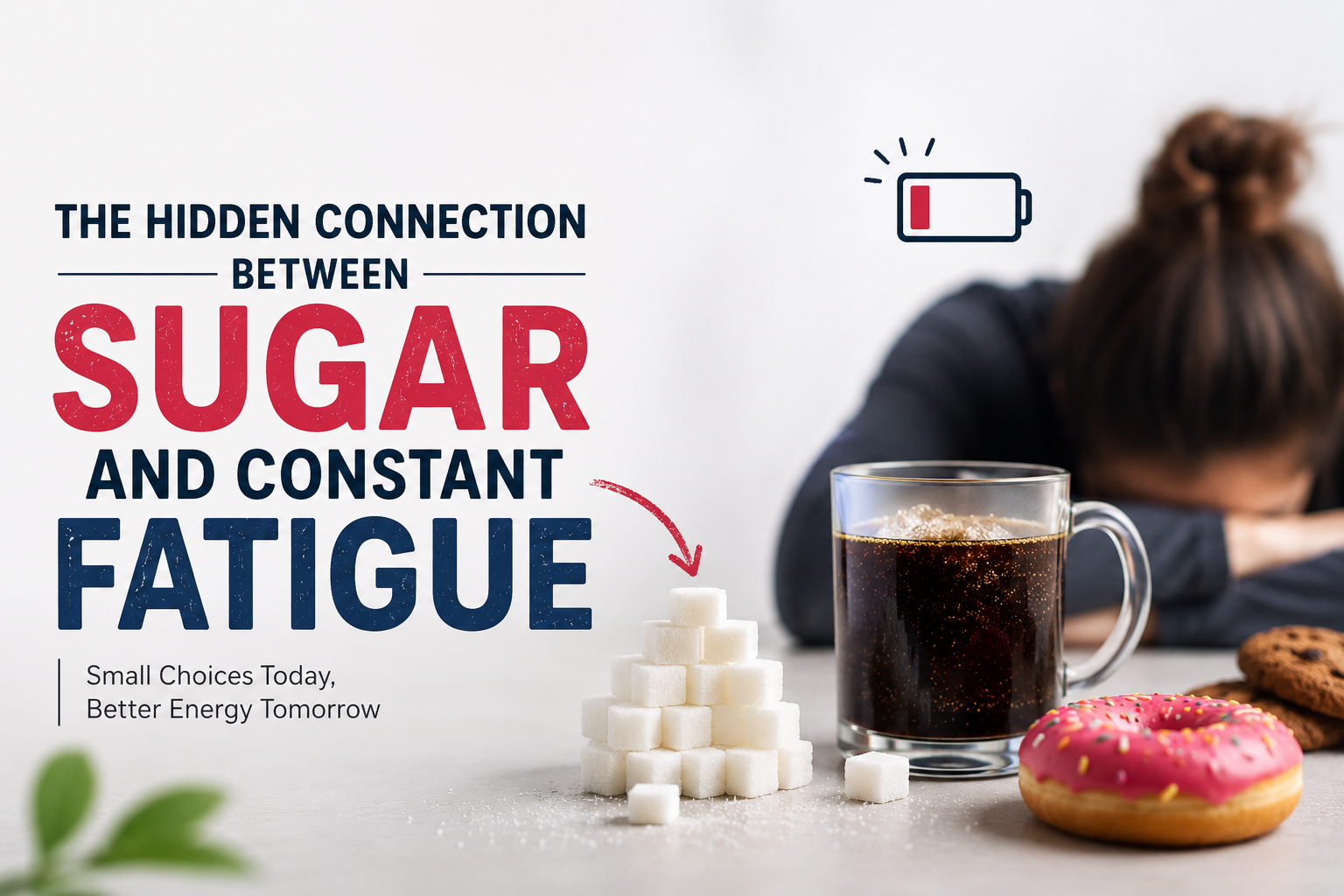
Feeling tired all the time has become incredibly common. Many people wake up exhausted, struggle to stay focused during the day, and depend on caffeine or sugary snacks just to keep going. While stress and lack of sleep are often blamed, one major cause of constant fatigue is frequently overlooked — excess sugar consumption.
Sugar is everywhere in the modern diet. It is not only found in desserts and candy but also hidden in breakfast cereals, flavored coffee drinks, protein bars, packaged snacks, sauces, yogurt, and even foods marketed as “healthy.” Although sugar can provide a quick burst of energy, the long-term effects often leave the body feeling more drained than energized.
The connection between sugar and fatigue goes much deeper than most people realize. Blood sugar crashes, inflammation, poor sleep quality, hormonal imbalance, and insulin resistance can all develop from excessive sugar intake. Over time, these effects may contribute to daily exhaustion, brain fog, low motivation, and difficulty concentrating.
Understanding how sugar affects the body can help improve energy levels naturally and support better long-term health.
How Sugar Impacts Energy Levels
When we consume sugar, the body breaks it down into glucose, which enters the bloodstream. Glucose acts as fuel for the body’s cells, and the pancreas releases insulin to help move that glucose into cells for energy production.
At first, sugar can make us feel energized and alert. This is why many people reach for sweet snacks, soda, or sugary coffee drinks when they feel tired. However, the boost usually does not last long.
After blood sugar rises quickly, insulin often lowers it just as fast. This sudden drop in blood sugar creates what many people call a sugar crash. During this crash, the body may experience:
- Fatigue
- Weakness
- Brain fog
- Irritability
- Headaches
- Difficulty focusing
- Strong sugar cravings
This cycle can repeat several times throughout the day. A person feels tired, consumes more sugar for quick energy, then crashes again shortly afterward. Over time, this constant fluctuation puts stress on the body and contributes to ongoing exhaustion.
The Blood Sugar Roller Coaster
One of the biggest reasons sugar causes fatigue is because it creates unstable blood glucose levels.
Highly processed foods digest very quickly, especially foods rich in refined sugar and simple carbohydrates. Common examples include:
- Candy
- Pastries
- White bread
- Sugary cereals
- Soda
- Donuts
- Energy drinks
- Sweetened coffee beverages
These foods cause rapid spikes in blood sugar. The body responds by releasing large amounts of insulin, which can lead to a sharp drop in glucose levels afterward.
Many people experience symptoms of this “roller coaster” daily without realizing it. Common signs include:
Afternoon Energy Crashes
Feeling sleepy or sluggish during the afternoon is often linked to unstable blood sugar levels.
Constant Cravings
Sugar crashes frequently trigger cravings for more sweets or processed carbohydrates.
Poor Focus and Brain Fog
Rapid changes in glucose levels can affect concentration and mental clarity.
Mood Swings
Blood sugar instability may contribute to irritability, anxiety, and emotional ups and downs.
Low Motivation
Energy fluctuations can reduce productivity and overall motivation throughout the day.
Instead of providing steady fuel, excess sugar creates repeated highs and lows that leave the body feeling exhausted.
Sugar and Insulin Resistance
Frequent sugar consumption may eventually lead to insulin resistance, a condition where the body’s cells stop responding properly to insulin.
When this happens, glucose remains in the bloodstream instead of entering cells efficiently for energy. As a result, the body produces even more insulin to compensate.
This creates a frustrating situation where there is plenty of sugar in the blood, but the cells struggle to use it effectively. Many people with insulin resistance experience symptoms such as:
- Chronic fatigue
- Increased hunger
- Weight gain
- Belly fat accumulation
- Brain fog
- Difficulty concentrating
- Strong sugar cravings
Insulin resistance is also closely linked to type 2 diabetes and metabolic health problems. Many people living with daily exhaustion may actually be experiencing early blood sugar dysfunction without knowing it.
Hidden Sugars in Everyday Foods
One reason sugar-related fatigue has become so common is because sugar hides in many everyday products.
Food labels often use different names for sugar, making it difficult to recognize how much is being consumed. Some common hidden sugar ingredients include:
- High fructose corn syrup
- Cane sugar
- Maltose
- Dextrose
- Agave nectar
- Corn syrup
- Fruit juice concentrate
- Brown rice syrup
Even foods labeled “healthy,” “organic,” or “low fat” may contain large amounts of added sugar.
Common hidden sugar sources include:
| Food | Why It Can Cause Fatigue |
|---|---|
| Flavored yogurt | Often contains high added sugar |
| Granola bars | Processed carbs and sweeteners |
| Bottled smoothies | Excess fruit sugar |
| Breakfast cereals | Rapid blood sugar spikes |
| Protein bars | Hidden syrups and additives |
| Sports drinks | High sugar content |
| Coffee creamers | Added sugar and oils |
Because sugar appears in so many processed foods, many people consume far more than they realize each day.
The Link Between Sugar and Inflammation
Excess sugar intake can also increase inflammation throughout the body. Chronic inflammation affects multiple systems, including the brain, muscles, digestive system, and immune system.
When inflammation remains elevated for long periods, people may experience:
- Low energy
- Muscle soreness
- Brain fog
- Poor recovery
- Joint discomfort
- Sleep disturbances
Sugar may also increase oxidative stress, which damages cells and affects the body’s ability to produce energy efficiently.
This is one reason why many people notice significant improvements in energy and mental clarity after reducing added sugars in their diet.
How Sugar Affects Sleep Quality
Sleep and energy are closely connected, and sugar can negatively affect both.
Consuming large amounts of sugar may interfere with stable blood sugar levels during the night, leading to disrupted sleep patterns. Some people experience:
- Difficulty falling asleep
- Restless sleep
- Frequent waking
- Morning grogginess
- Feeling tired despite sleeping enough hours
Sugar can also affect cortisol, the body’s main stress hormone. Elevated cortisol levels may overstimulate the nervous system and make deep restorative sleep more difficult.
Poor sleep then increases cravings for sugary foods the next day, creating another cycle that contributes to fatigue.
Signs Sugar May Be Draining Your Energy
Many people do not realize their daily fatigue could be connected to sugar intake. Some common warning signs include:
You Need Sugar or Caffeine to Stay Awake
Relying on sweet snacks or multiple cups of coffee throughout the day may indicate unstable energy regulation.
You Feel Tired After Meals
Feeling sleepy after eating is often linked to blood sugar spikes and crashes.
You Experience Daily Brain Fog
Poor concentration and mental fatigue may improve when sugar intake is reduced.
You Crave Sweets Constantly
Frequent cravings often signal unstable blood glucose levels.
You Wake Up Feeling Exhausted
Poor nighttime blood sugar balance may affect sleep quality and morning energy.
How to Reduce Sugar-Related Fatigue Naturally
The good news is that small dietary changes can make a major difference in energy levels.
Eat More Protein
Protein supports stable blood sugar and helps reduce cravings.
Good sources include:
- Eggs
- Greek yogurt
- Fish
- Chicken
- Nuts and seeds
- Cottage cheese
Choose High-Fiber Foods
Fiber slows sugar absorption and promotes stable energy throughout the day.
Healthy options include:
- Vegetables
- Oats
- Lentils
- Beans
- Chia seeds
- Whole grains
Avoid Sugary Drinks
Liquid sugar causes some of the fastest blood sugar spikes in the body.
Reducing soda, energy drinks, and sweet coffee beverages can improve energy significantly.
Focus on Balanced Meals
Meals that combine protein, healthy fats, and fiber help prevent sudden energy crashes.
Prioritize Sleep and Hydration
Good sleep and proper hydration both play a major role in maintaining healthy energy levels.
The Benefits of Cutting Back on Sugar
Many people notice improvements within a few weeks of reducing added sugar intake.
Common benefits include:
- More stable energy
- Better focus and concentration
- Improved mood
- Reduced cravings
- Better sleep quality
- Easier weight management
- Improved overall wellness
Unlike temporary energy boosts from sugar, balanced nutrition supports long-lasting and sustainable energy throughout the day.
Conclusion
The hidden connection between sugar and constant fatigue is stronger than many people realize. While sugar may provide short bursts of energy, it often leads to blood sugar crashes, inflammation, poor sleep, and long-term exhaustion.
Modern diets contain far more hidden sugars than most people expect, making it easy to fall into a cycle of unstable energy and daily fatigue. By reducing added sugar, choosing whole foods, and supporting stable blood glucose levels, many people can improve energy naturally and feel more focused, balanced, and productive.
Constant tiredness should not always be considered normal. In many cases, the real source of exhaustion may be hidden in everyday foods and drinks consumed without a second thought.
