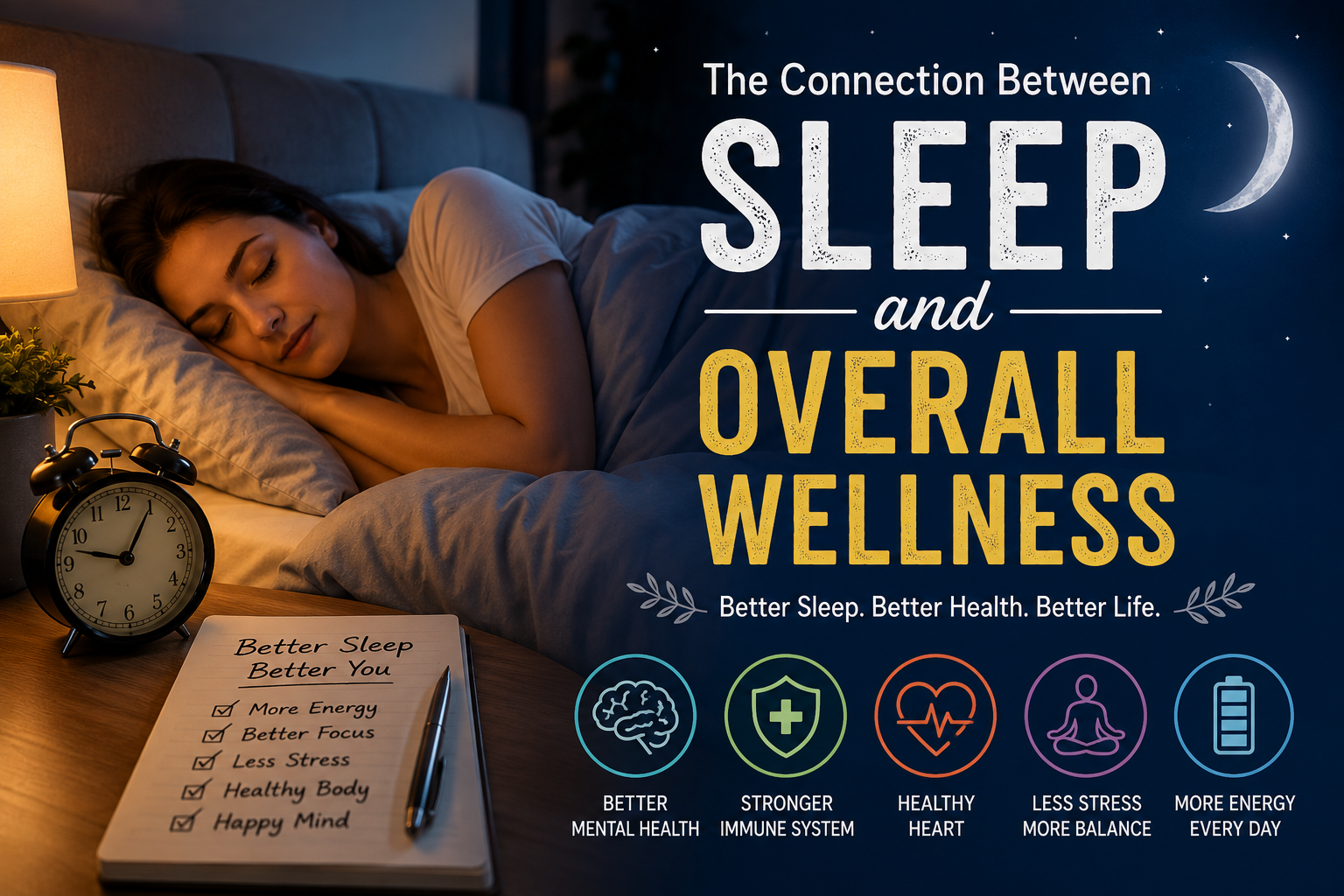
Emma didn’t think sleep was a problem.
Like millions of Americans, she believed being tired was just part of adult life.
She worked a full-time job, answered emails late at night, watched a few episodes on Netflix to “unwind,” and somehow still woke up exhausted every morning. Her coffee intake doubled over the years, but she barely noticed. Everyone around her seemed tired too.
At first, the symptoms were small.
She became forgetful. Her patience got shorter. She felt mentally drained before lunchtime. Weekends became less about enjoying life and more about recovering from the week.
But because nothing felt “serious,” she ignored it.
That’s what makes poor sleep so dangerous. It rarely arrives all at once. It slowly blends into everyday life until exhaustion starts feeling normal.
And that’s exactly why sleep is deeply connected to overall wellness.
The Body Keeps Working Even After You Fall Asleep
Most people think sleep is passive. It isn’t.
The moment you fall asleep, your body begins working in ways you don’t notice.
Your brain starts organizing memories from the day. Muscles repair tiny amounts of stress and tension. Hormones rebalance themselves. Your heart rate slows down. The nervous system shifts away from survival mode.
Sleep is the body’s recovery system.
Without enough of it, the body doesn’t fully recharge. It simply learns how to survive while running low.
That’s why people who consistently sleep poorly often say things like:
“I don’t feel like myself lately.”
The body notices the lack of recovery long before people connect the dots.
Modern Life Quietly Trains People to Ignore Rest
A lot of Americans are exhausted, but modern culture rewards pushing through exhaustion instead of fixing it.
People brag about functioning on four hours of sleep. Hustle culture praises overworking. Phones stay active until midnight. Streaming platforms encourage one more episode. Social media keeps the brain stimulated long after the body becomes tired.
Even bedtime no longer feels peaceful.
For many people, nighttime has become the only free time they truly have. So they sacrifice sleep trying to squeeze more life into the day.
The problem is, the body eventually collects that debt.
Not always dramatically.
Sometimes it shows up quietly:
- brain fog during conversations
- mood swings
- emotional burnout
- low motivation
- constant fatigue
- increased anxiety
Most people blame stress.
Often, the body is simply exhausted.
Sleep Changes the Way You Feel Emotionally
Think about the last time you slept badly.
Small problems probably felt bigger than usual. Simple tasks felt irritating. Your patience disappeared faster. Maybe you felt strangely emotional or mentally overwhelmed for no obvious reason.
That’s because sleep affects emotional stability almost immediately.
When the brain doesn’t rest properly, it struggles to regulate stress and emotions calmly. Anxiety feels louder. Frustration arrives faster. Even decision-making becomes harder.
This is one reason mental health and sleep are so closely connected.
People often search for motivation when what they actually need is recovery.
The Strange Relationship Between Sleep and Cravings
Emma noticed something else too.
The more tired she became, the worse her eating habits got.
Healthy meals felt like effort. Sugary snacks became comforting. Afternoon coffee turned into evening coffee. Fast food became the easiest option after stressful days.
What she didn’t realize was that sleep deprivation changes hunger signals inside the body.
When people don’t sleep enough, the brain starts looking for quick energy. Cravings increase naturally because the body is trying to compensate for exhaustion.
This is why poor sleep and weight gain are often connected.
It’s not always about discipline.
Sometimes the body is simply overwhelmed and trying to keep itself functioning.
Wellness Doesn’t Work Properly Without Rest
The wellness industry talks constantly about diets, fitness plans, supplements, hydration, and productivity routines.
But sleep is often treated like a side topic.
In reality, sleep affects all of them.
A tired body struggles to recover from workouts. An exhausted brain craves more sugar and caffeine. Chronic sleep deprivation raises stress levels, which affects everything from focus to hormone balance.
You can eat perfectly and still feel terrible if your sleep quality is poor.
That’s why sleep isn’t just one part of wellness.
It’s the foundation underneath it.
Sometimes People Are More Tired Than They Realize
One of the hardest things about chronic sleep deprivation is that people slowly adapt to feeling exhausted.
They stop remembering what “fully rested” actually feels like.
Instead of recognizing fatigue, they normalize it.
They say things like:
“I’m just busy.”
“I’ll catch up on sleep later.”
“This is just adulthood.”
But the body keeps sending signals.
Not always loudly.
Sometimes through:
- low energy
- forgetfulness
- irritability
- lack of focus
- constant dependence on caffeine
- feeling mentally checked out
The scary part is how normal it starts to feel.
Rest Has Become a Form of Self-Care
For years, self-care was marketed as expensive skincare, spa days, candles, and wellness products.
Now people are beginning to realize something simpler:
rest matters more.
Real wellness sometimes looks less glamorous than social media makes it seem.
Sometimes it’s:
- going to bed earlier
- putting the phone away at night
- allowing the brain to slow down
- choosing recovery instead of overworking
Sleep isn’t laziness.
It’s maintenance for the human body.
Why Better Sleep Changes So Many Things at Once
When people finally improve their sleep, the changes often surprise them.
Energy improves first.
Then the focus becomes clearer. Stress feels easier to manage. Mood stabilizes. Cravings decrease. Motivation slowly returns.
Life doesn’t suddenly become perfect.
But the body begins functioning the way it was designed to.
That’s the real connection between sleep and wellness.
Sleep affects almost everything because the body depends on recovery to operate properly.
Final Thoughts
Most people spend years trying to fix symptoms without realizing the root problem may be exhaustion.
Poor sleep quietly affects physical health, emotional balance, stress levels, focus, eating habits, and overall quality of life. And because modern life encourages constant stimulation, many people no longer recognize how deeply tired they actually are.
But wellness doesn’t always begin with a major life change.
Sometimes it begins with something as simple as getting enough rest.
Because the truth is, the body can handle a lot — but eventually, it needs sleep to heal, recover, and function the way it’s supposed to.
