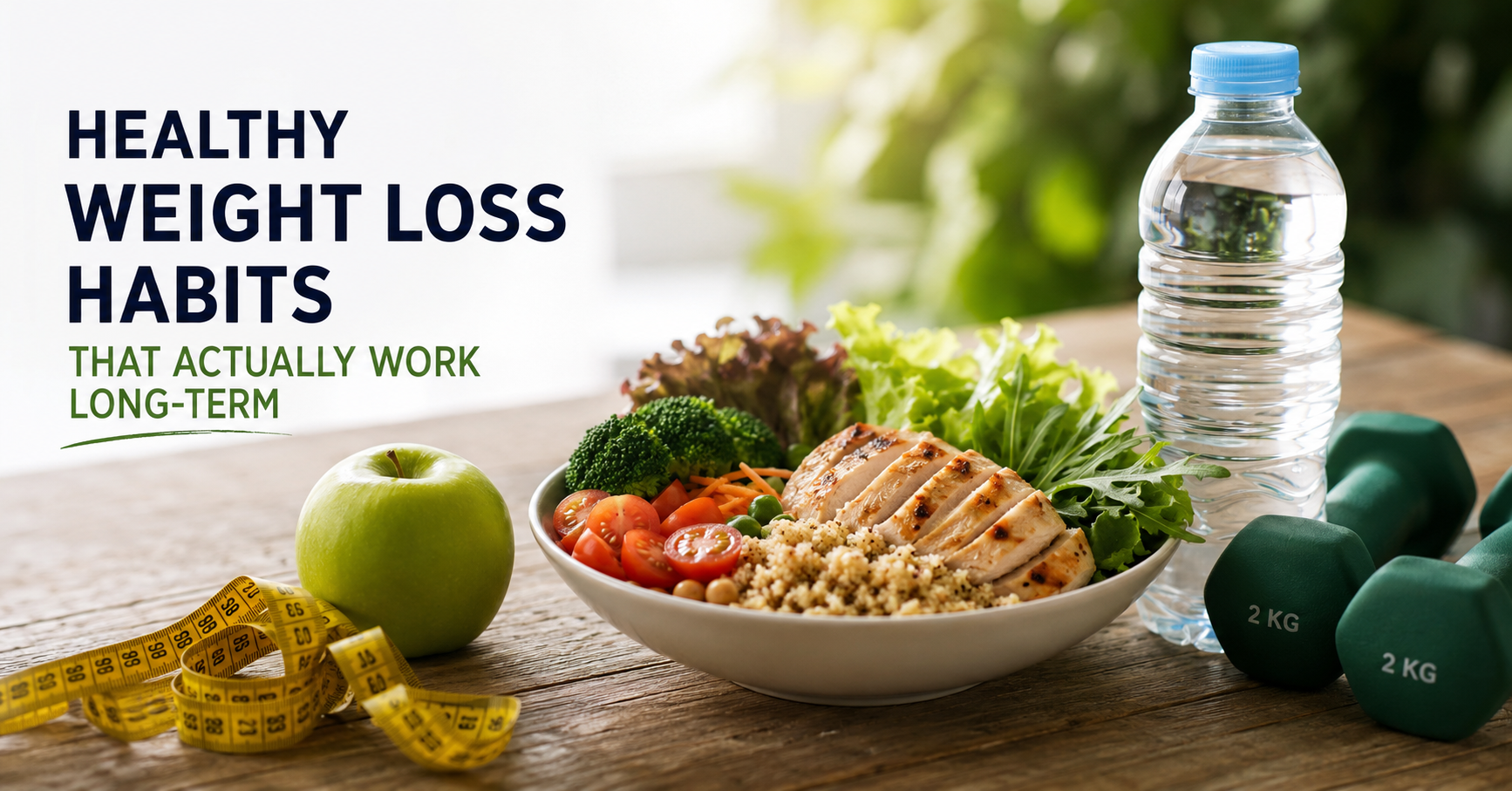
Weight loss is something many people start with strong motivation, but only a few manage to maintain their results.
Most diets work for a short period, but once normal eating resumes, the weight slowly comes back. The real solution is not extreme dieting but building healthy habits that naturally support your body every day.
Long-term weight loss is not about suffering or strict restrictions. It is about understanding your body, making better food choices, moving more, and maintaining a balanced lifestyle that you can actually follow for years.
Understanding Sustainable Calorie Balance
The foundation of weight loss is calorie balance. Your body needs a certain amount of energy every day, and when you consistently consume slightly fewer calories than you burn, fat loss happens naturally.
However, the key word here is “slightly”. Many people make the mistake of starving themselves, which slows down metabolism and leads to binge eating later.
Instead of extreme dieting, focus on eating in a controlled and mindful way. Reduce portion sizes gradually, avoid unnecessary snacking, and prefer home-cooked meals whenever possible.
You don’t need to measure every calorie, but being aware of what you eat makes a big difference over time. When your approach is sustainable, your results also become sustainable.
The Role of Protein in Daily Diet
Protein plays a major role in weight loss because it keeps you full for longer and helps maintain muscle while you lose fat. When your protein intake is low, hunger increases, and you are more likely to overeat or choose unhealthy snacks.
Including protein in every meal helps control cravings naturally. Foods like eggs, chicken, fish, paneer, tofu, lentils, and yogurt are excellent sources.
When your meals are balanced with protein, carbohydrates, and healthy fats, your energy levels remain stable, and you feel satisfied for longer periods without constant snacking.
Building a Realistic Exercise Routine
Exercise does not need to be extreme or complicated to be effective. In fact, the most successful weight loss routines are simple and consistent. A combination of strength training and light cardio works best for long-term fat loss.
Strength training helps build muscle, and muscle increases the number of calories your body burns even when you are resting. Along with this, activities like walking, cycling, or light jogging improve heart health and support fat burning.
Even 30 minutes of movement daily can create noticeable results over time if done consistently.
Daily Movement Makes a Big Difference
Many people underestimate the importance of daily movement outside the gym. This is known as NEAT, or Non-Exercise Activity Thermogenesis. It includes all the small physical activities you do throughout the day such as walking, cleaning, standing, or taking stairs.
People who naturally stay fit often move more without even thinking about it. Instead of sitting for long hours, small changes like walking after meals or taking short breaks from work can significantly improve fat loss results. Over time, these small movements add up more than you might expect.
Emotional Eating and Its Impact
One of the biggest barriers to weight loss is emotional eating. Many people eat not because they are hungry, but because they are stressed, bored, or tired. This habit leads to unnecessary calorie intake without awareness.
Learning to identify emotional triggers is important. When you feel the urge to eat, pause for a few minutes and check if you are truly hungry or just reacting to emotions.
Drinking water, going for a short walk, or distracting yourself for a while can often reduce unnecessary cravings. Over time, this awareness helps you build a healthier relationship with food.
Importance of Sleep in Weight Loss
Sleep plays a much bigger role in weight loss than most people realize. When you do not sleep enough, your body produces more hunger hormones, which increases cravings for high-calorie foods. At the same time, your energy levels drop, making you less active during the day.
Good sleep supports fat loss by balancing hormones and improving recovery. Maintaining a regular sleep schedule, avoiding screens before bed, and sleeping 7–9 hours daily can make weight loss much easier without changing your diet drastically. When your sleep improves, your food choices and energy levels also improve naturally.
Hydration and Its Hidden Benefits
Water is often ignored in weight loss discussions, but it is extremely important. Many times, the body confuses thirst with hunger, leading to unnecessary eating. Staying hydrated helps control appetite and supports digestion and metabolism.
Drinking enough water throughout the day also improves energy levels and workout performance. Starting your day with a glass of water and maintaining regular hydration can help reduce cravings and support fat loss naturally. Most people see better control over their eating habits simply by drinking more water consistently.
Choosing Whole Foods Over Processed Foods
The quality of your food matters just as much as the quantity. Whole foods like fruits, vegetables, whole grains, lean proteins, and healthy fats provide nutrients that keep your body satisfied. On the other hand, processed foods are often high in calories but low in nutrition, which leads to overeating.
You do not need to completely avoid junk food, but it should not be a daily habit. When most of your diet is made up of natural, minimally processed foods, your body naturally regulates hunger and energy levels better. This makes weight loss feel more effortless over time.
Consistency Matters More Than Perfection
Many people give up on weight loss because they expect perfect results every day. But real progress does not work that way. One unhealthy meal or missed workout does not affect your long-term results. What truly matters is consistency over time.
If you stay on track most of the time and allow flexibility occasionally, your results will still be strong. Weight loss is not about being perfect; it is about being consistent enough for long enough.
Tracking Progress the Right Way
The scale is not always the best way to measure progress because your weight can fluctuate daily due to water retention, hormones, and food intake. Instead, it is better to look at overall changes in your body and lifestyle.
Progress photos, body measurements, energy levels, and how your clothes fit are more reliable indicators. You may not always see changes on the scale, but your body composition can still be improving significantly.
Final Thoughts
Healthy weight loss is not about quick fixes or extreme diets. It is about building a lifestyle that supports your body naturally. When you focus on balanced eating, regular movement, proper sleep, and emotional awareness, weight loss becomes a natural result rather than a constant struggle.
The most important thing is to start small and stay consistent. Even simple changes, when followed daily, can transform your health over time. Instead of chasing fast results, focus on building habits that will stay with you for life.
